Calm is often revered by society as if it's some kind of trophy, but one has to wonder if it's really as valuable as it's made out to be.
When I say 'calm', I’m supposedly referring to the cool and collected demeanour we like to think is equivalent to Peace of Mind, and often labelled as 'Nice'. Sure, I might seem calm, like I never experience anxiety or worry. It’s almost as if I have everything figured out without a care in the world. But can we really believe that? This is precisely what I intend to question in this post.
People continue to fetishize calmness and equate it with some dubious moral superiority that presumably manifests when one stops responding to the chaos around them. But let’s be honest: being calm might just be a facade for those who are too scared to face the storm. It’s typically presented as the ultimate grace, a questionable indicator of maturity that implies that silence is more noble than voicing your thoughts.
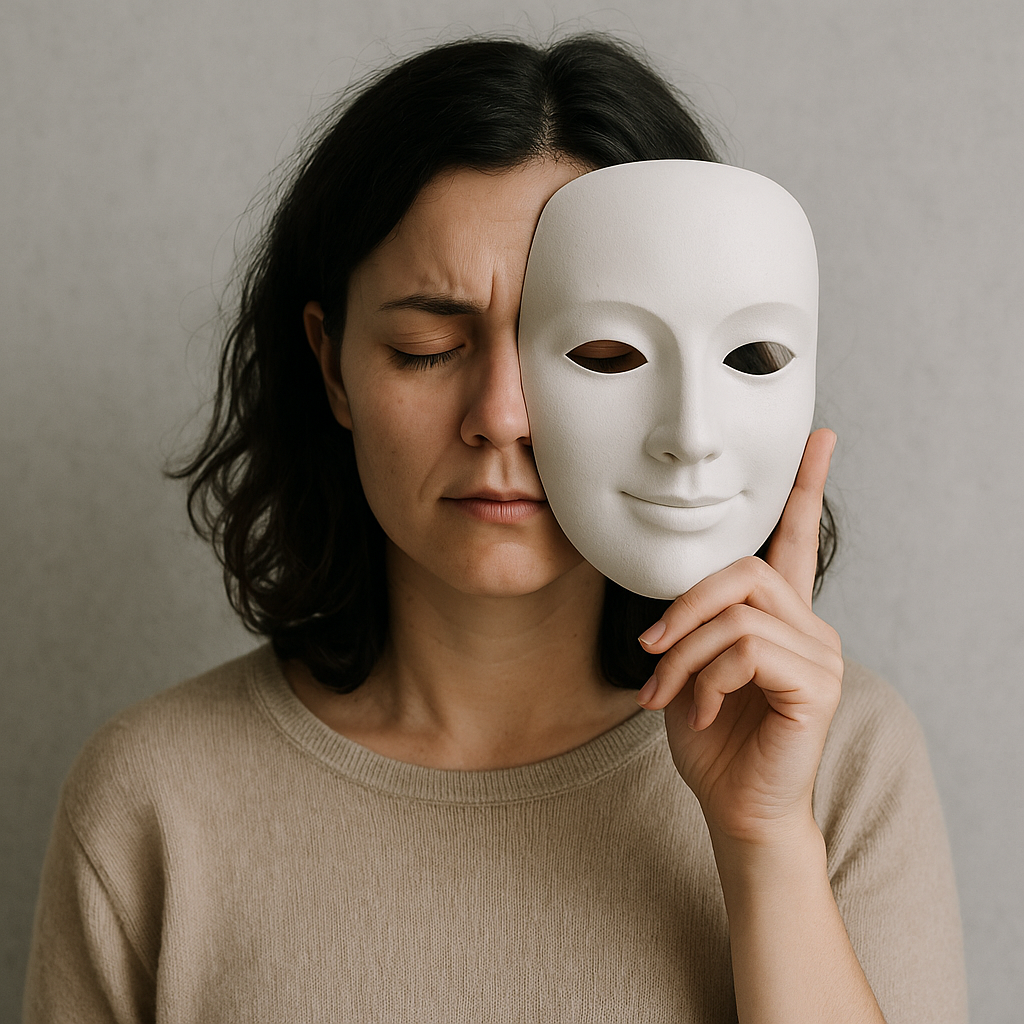
But let’s get real about the fluff that fills those so-called inspirational quotes. It's rather concerning how we shy away from facing the truth. I can confidently say that what we label as calm is often just a deceptive front, masking the problems buried deep within. It might even be emotional disengagement masquerading as gentleness. The most troubling thought is that this 'calm' might just be a skilful act of disappearing without a trace, even when you're still in the room.
This so-called calm might just be masking a bigger problem, as it often does. We hardly notice the shift because that serene facade downplays the widening chasm that threatens our relationships. What appears like peace is arguably just a slow drift into detachment, and if we ignore it, we could very well end up isolated. Relationships thrive on communication and emotional support, yet we conveniently use this false calm as an excuse to shut down dialogue, which eventually leaves our connections to crash and burn.

It usually starts with what may look like small things. You might stop engaging in trivial arguments, claiming you “don’t have the energy,” but is that really the case? You let comments slide past you, but are you genuinely unaffected? Not just that, but you keep your opinions to yourself, insisting it’s easier, but one has to wonder if you’re just avoiding confrontation altogether.
But mark my words, there will come a day when you look up and confront the unsettling truth that silence has insidiously settled in as your default setting.
You don’t bother to correct people when they misunderstand you, or speak up when someone hurts you, and you never ask for an explanation, as if you'd rather avoid the whole conversation entirely.
That quietness starts to become detachment, but you’re already too comfortable inside it to step back out.
There’s a peculiar kind of loneliness that grows in its place. It’s the nagging awkwardness of feeling invisible. People barely bother to ask for your thoughts any more, because they are convinced you must have nothing substantial to contribute. They interpret the absence of conflict as some kind of tacit approval, forming their own idea of you from your silence. Then you’re left to observe this unfamiliar version of yourself interacting with others, as if you were merely a distant stranger.

These connections don't vanish overnight. They wane gradually, fraying into a mesh of polite exchanges, superficial check-ins, and an emotionally numb autopilot. The people around you continue to engage, but they do so with a calm, resigned version of you that hides the authentic you with genuine needs.
There’s a difference between being at peace and being numb, but from the outside, they look the same. And that’s the problem.
The only way to build real connections is to be present. For example, a meaningful conversation with a friend over coffee can build trust and understanding. The same goes for watching the sunset or taking a walk with a loved one, both of which can create a sense of closeness that silence can't.
Presence strengthens bonds in a way that isolation can't.
If you’ve been living in the quiet, you may not realize how much of yourself you’ve stopped offering. Maybe you’ve been protecting your peace so aggressively that you forgot peace was meant to include people too.
There is no glory in vanishing from your own relationships, no wisdom in stifling your voice to avoid misinterpretation, and there's no dignity in feigning independence while craving meaningful connections.
Emotional calm should not come at the expense of intimacy or connection. It should not create distance between you and others or diminish the presence of your voice in your own life.
It is a tool, not a lifestyle. And like any tool, it can build, or it can destroy, depending on how you use it.
This Is Where I Leave You
If your calm has turned into a wall instead of a sanctuary, wake up and take notice. Sit with the discomfort. Challenge yourself: who or what are you guarding against, and what’s your reason?
Connection demands more than silence, but it also rewards you more.
Don’t let your peace become the reason no one truly knows you.
— Companion Episode —
If this reflection agrees with you, the latest episode of This Is My Voice discusses the same theme from a different angle. Listen to “The Peace You Pay For” for a deeper conversation on what happens when calm becomes a quiet form of self-disappearing.
Episode: The Peace You Pay For
(Available on Padbean, Spotify, and wherever you get your podcasts.)