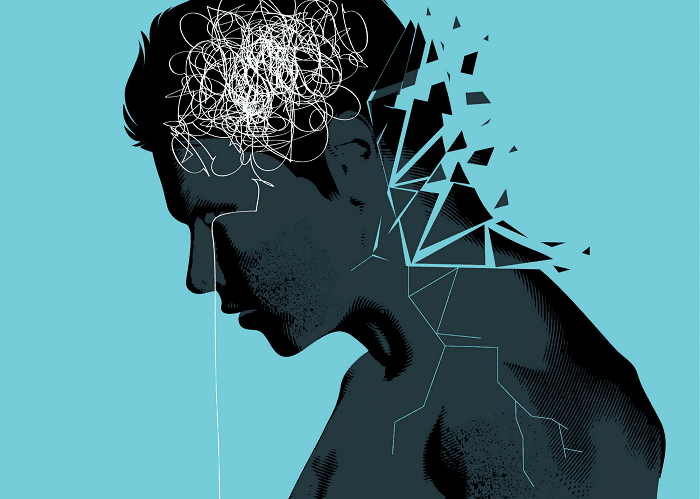
I remember back when I was quite active on Wattpad, around 2019 or 2020. During this time, I created a community page called 'Men Who Write.' The idea stemmed from noticing the plethora of community pages dedicated to women, celebrating their achievements and creating supportive networks. However, there was nothing similar for men—a salon where men could gather, share, and support one another.
As an ambassador on Wattpad, I soon faced a challenge, flagging my page for supposedly segregating based on gender. A female user accused the page of creating an exclusive space just for men, suggesting it was against Wattpad's inclusive principles. I was livid. I pointed out the numerous communities dedicated exclusively to women, questioning why one new profile for men was problematic when there were already over eight for women.
This incident made me reflect deeply on societal dynamics. Why is it that men are often relegated to the back? In various spheres, including the workplace, there are numerous initiatives focused on women—women empowerment, women leaders conferences, women in tech, women in STEM, women's mental health. These initiatives are crucial, but where are the equivalent platforms and spaces for men?
The Gender Imbalance in Recognition
This imbalance is not just about professional spheres; it permeates all aspects of life. A notable example is how male characters are sometimes written by female authors. I once read a historical war book by a talented upcoming writer who highlighted the adverse effects of war. She mentioned, "war is hard on the girl child," focusing extensively on the impact of war on females, especially issues like rape. While these are critical aspects, the narrative excluded the harsh realities faced by boys and men in war—those who fought and died, the young boys who suffered brutality and never got a chance to grow up or grew up in misery.
Why do narratives often exclude the male perspective? What about the young boys who died fighting wars they didn't want and knew nothing about? Boys who died painfully, fighting so others could live? Why does society frequently highlight women's struggles while overshadowing the equally significant struggles of men?
This skewed perspective extends into everyday life. Men have a right to feel, to be seen, and to experience life without constantly feeling pressured to conform to others' expectations. When men stand up for their preferences and standards, they're typically labelled negatively, such as being called narcissists—a term some women use without fully understanding its meaning.
Women defending men face criticism too, often labelled as 'pick me' girls. This kind of labelling overlooks the fact that understanding and supporting both genders is natural, especially for someone like me, a sister to two brothers, who sees life from both male and female perspectives.
The Importance of Inclusivity for Men
Before we are male, female, or any other identity, we are human. Men matter just as much as women, and their experiences and struggles deserve recognition and support. It's crucial to create spaces where men can express themselves freely and find support without judgment.
Let's challenge the narrative that only highlights one gender's struggles. Let's acknowledge that men too face significant challenges and deserve platforms that celebrate and support them. By doing so, we foster a more inclusive and understanding society where everyone can thrive.
Focusing on Men's Mental Health
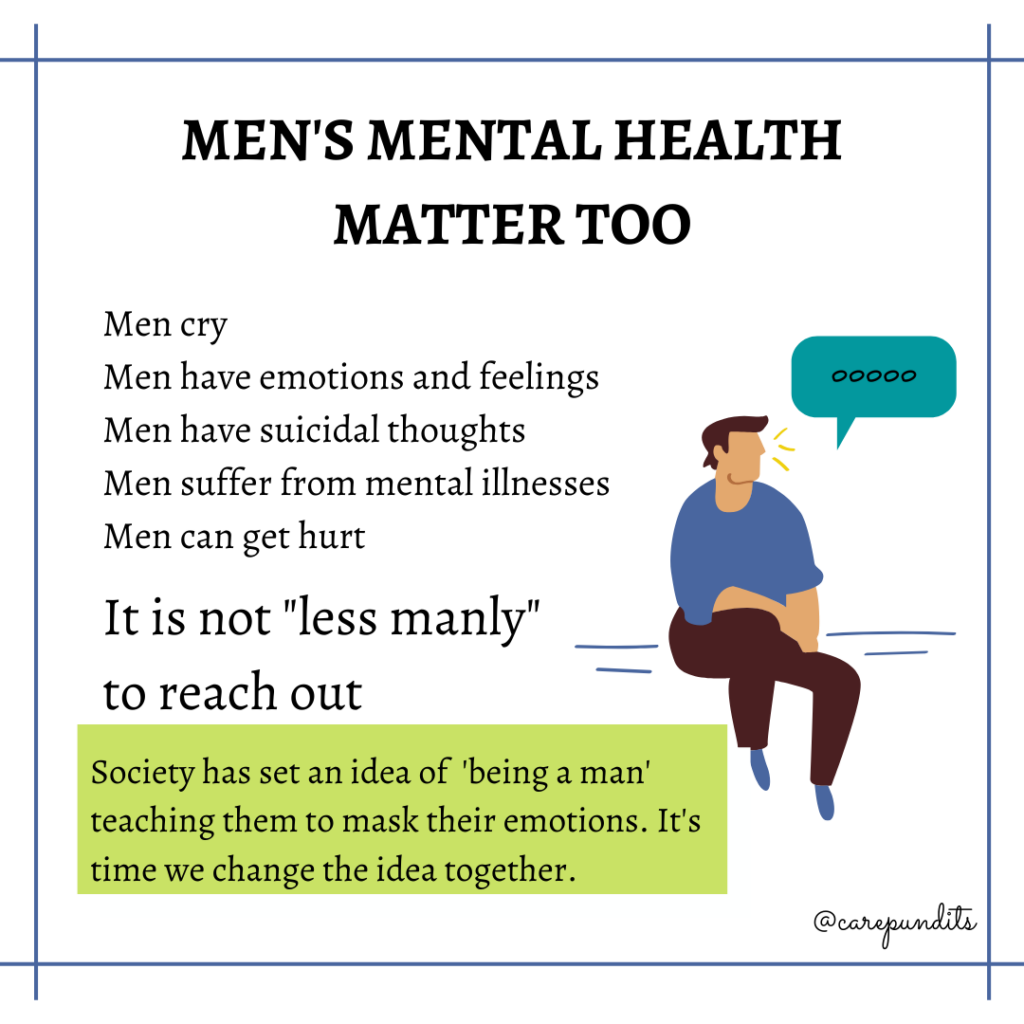
One of the most critical areas where inclusivity for men is essential is mental health. Men often face societal expectations to be strong, Stoic, and unemotional. These stereotypes can prevent them from seeking help or expressing their vulnerabilities, leading to severe mental health issues that go unaddressed.
Studies have shown that men are significantly less likely than women to seek help for mental health issues. This reluctance contributes to higher rates of male suicides globally. According to the World Health Organization, nearly 800,000 people die by suicide each year, and men are disproportionately represented in this statistic.
Changing our mindset about men's mental health is extremely important. We need to break the stigma that equates vulnerability with weakness or insecurity. Encouraging open conversations about mental health can help men feel more comfortable seeking support. Promoting the idea that it’s okay for men to express their emotions and ask for help is a vital step towards better mental health outcomes.
How We Can All Help
To establish supportive environments for both men and women to dismantle the long-standing prejudice against men expressing their emotions is a challenging task, but acknowledging the urgency to take action constitutes a significant beginning.
How can we effectively convey to men that their well-being is important, and that, despite prevailing, misinformed, and narrow-minded beliefs, prioritizing it does not equate to weakness or insecurity?
- Workplaces: Employers can offer mental health resources and create a culture where taking care of one's mental health is normalized and encouraged.
- Communities: Local organizations can provide support groups and safe spaces where men can talk about their experiences without fear of judgment.
- Families: Encouraging open dialogue within families about mental health can help dismantle harmful stereotypes from a young age.
Education and awareness campaigns have a crucial role to play in overturning societal attitudes toward men's mental health. It's high time for schools, universities, and the media to step up and do their part in spreading the word about the significance of mental well-being for all, regardless of gender. The lack of attention given to men's mental health, particularly during the dedicated month of June, is frankly disheartening. It's truly disappointing that this information has only come to light today, which is why I am writing this post.
How To make this happen
- Mental Health Education: Incorporate mental health education into school curriculums to teach young boys that it’s okay to seek help and talk about their feelings.
- Public Campaigns: Launch public awareness campaigns that highlight the importance of mental health and provide information on where to seek help.
- Role Models: Promote male role models who advocate for mental health and share their own experiences with vulnerability and seeking help.
In creating a more inclusive and understanding society, we can work towards reducing the number of male suicides. Recognizing the unique challenges men face in a world that considers vulnerability and feelings as weakness and providing the necessary support can make a huge difference. Let's encourage the men in our lives to seek help, offer them the resources they need, and foster a culture of openness and acceptance.
The conversation about gender equality must include men. It's about recognizing and addressing the struggles and contributions of all genders. Men matter, and their voices deserve to be heard and valued. Let's create a balanced narrative that celebrates and supports everyone, regardless of gender.
Men matter. Women matter. We all matter.