
It's ironic, isn't it?
That most women often view men as the enemy, using phrases like 'a real man would do that' to manipulate situations, or condemning men for "masculine toxicity" when they assert themselves or express their preferences.
These behaviours come from old-fashioned gender roles and outdated expectations. As societal norms and gender dynamics evolve, these obsolete expectations persist and lead to misunderstandings and unfair judgments for those involved.
There's one thing that never changed: the measure of a man's worth is still tied to his masculinity.
A man's life is influenced by the society he grows up in and the way he's brought up. It's all too easy to point fingers at men for societal problems without considering the impact of upbringing - or lack thereof - during their early years.

If we want great men, we must raise great men. It all begins with mothers (yes, you read that right, it's women) who are ready to raise their sons as well-rounded human beings. Dismissing the emotional needs of young boys with clichés like 'boys will be boys' or 'be a man' is not just unacceptable, it's destructive. Both boys and girls deserve love, attention, and direction.
Following a few conversations with a few boys, teens, and men about this subject, I've learned a few things about this than I did before. One reason why boys turn to video games, comic books, and anime is that these vices have become coping mechanisms. Through these outlets, they were able to escape neglect, make friends, and feel like part of a community. Boys have shouldered the responsibility of raising themselves for a very long time.
Their entire life has been in survival mode, thrust into the roles of provider and guardian without a clue. They carry themselves through life by trial and error, trapped in an unending cycle of learning from their mistakes.
As I said before, masculinity is the measure of a man's worth, and who wants a weak-willed man, right?
A lot of boys grow up lonely and don't know how to deal with those emotions. Since deep connections are perceived as unmasculine, they form superficial friendships that rarely ever dig deep. Society doesn't give boys permission to feel or be sensitive, leading them to grow up into lonely men. It's disheartening to see most women curse these men out for behaviours that were ingrained in them from childhood when, as mothers and caregivers, they had a role in shaping these very behaviours.
Boys have emotional needs that are often overlooked. They're taught to suppress their feelings, to 'man up,' and to handle problems themselves. This suppression leads to unresolved emotional issues that manifest as aggression, depression, or other mental health concerns in adulthood. The sooner we start recognizing and addressing these needs, the faster we can foster healthier emotional development in boys.
I find that, as boys grow up, the cycle continues. Men raised to suppress their emotions and conform to rigid notions of masculinity often become complacent in their relationships and marriages. This complacency can lead to a dynamic where women emasculate their partners, continuing the cycle of control and victimhood.
I could argue that some women do this on purpose, to raise men they can control and use, only to then cry victim about it too. This behaviour may come from a desire for power and validation, as well as from societal conditioning that reinforces traditional gender roles. There may be complex psychological factors at play, including a need for security and a fear of vulnerability. Also, past trauma or dysfunctional relationships could contribute to this pattern of behaviour. It's important to acknowledge that individuals are influenced by a wide range of personal, social, and cultural factors, and that there is no single explanation for such complex dynamics.
Accountability and Change
I think it's time for society, particularly women who are mothers and caregivers, to take accountability for how boys are raised. Blaming men at every turn without addressing the root causes only prolongs the cycle of toxic behaviour. Instead of playing the blame game, let's focus on empowering and raising boys with the same care and attention given to girls. Let's work to raise a generation of men who are emotionally healthy, compassionate, and respectful.
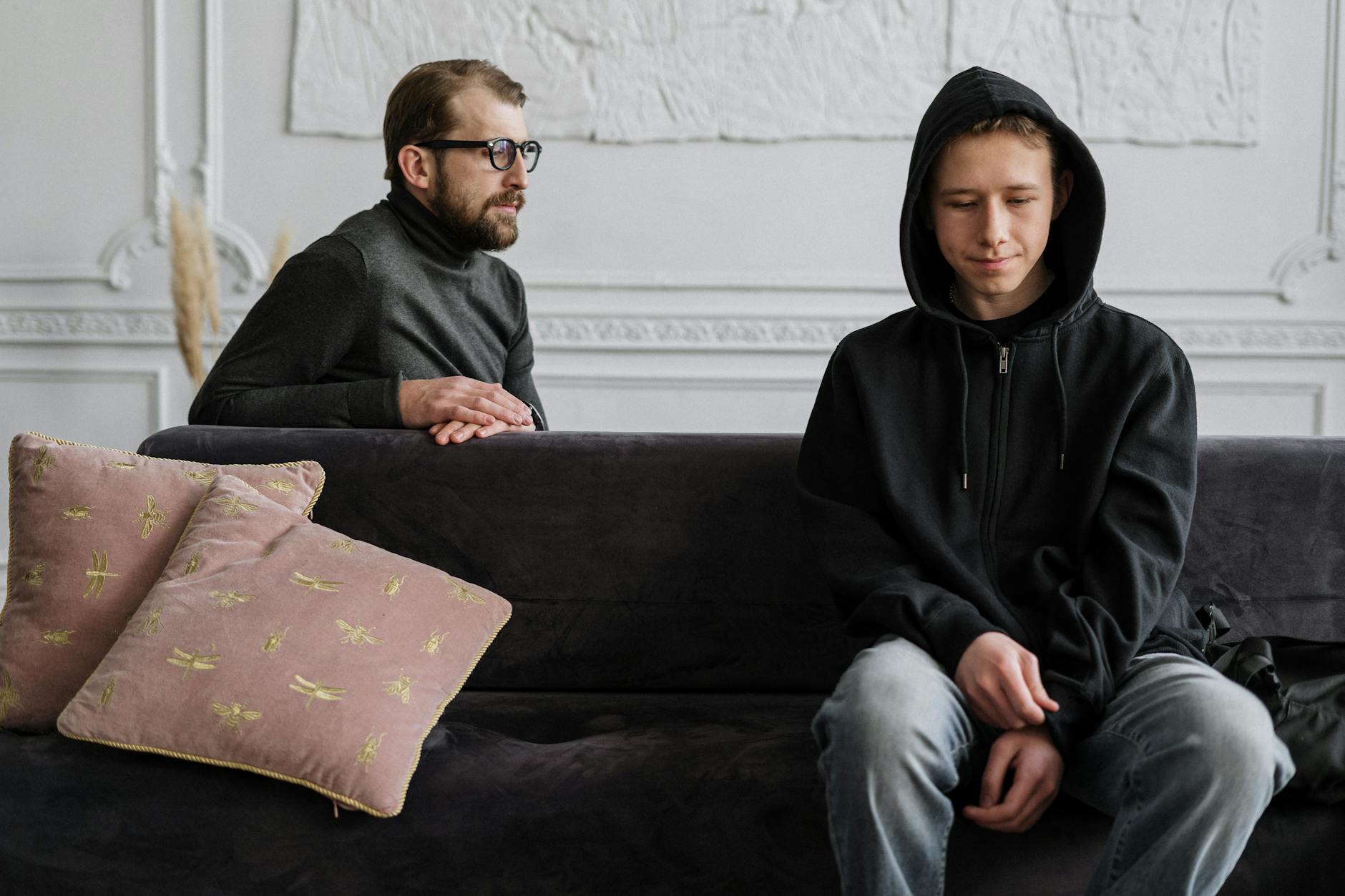
But man, oh man, discussing this topic with women feels like a crime. Instead of having rational discussions to understand and solve these issues, many women choose to dismiss 'those' who bring up these concerns, using condescending phrases like 'pick me.' This reluctance to truly understand and address the underlying problems is the main issue. Although I hesitate to echo Einstein’s notion that human foolishness knows no bounds, it sometimes feels like we’re trapped in a cycle of deliberate ignorance because women would rather die than take accountability for their actions.
Raising boys to become emotionally healthy men is a collective responsibility. It requires us to challenge societal norms, provide emotional support, and model healthy behaviours. When we start doing this, we can break the cycle of toxic masculinity and create a more balanced, understanding society.
Boys deserve the same love, care, and attention as girls. Let's commit to raising them well, for their sake and for the betterment of society as a whole. I encourage women to be more open to constructive discussion instead of shutting down these conversations.

Another thing to note is that, in neglecting the boy child to focus on the girl child, many mothers have still done a lousy job. Society is full of entitled, undeserving, almost good-for-nothing women who have unrealistic demands from these men. This raises the question of whether the root of many societal issues isn't women themselves. But that is a discussion for another day.
According to WHO, it is estimated that up to 1 billion children, aged 2–17 years, have experienced physical, sexual, or emotional violence or neglect globally. Do you want to guess what percentage of that number is boys, or do they just not matter?
48.5% of boys have experienced abuse, but most of them never talk about it so that statistic itself is inaccurate. It's troubling that when we talk about abuse, we often unintentionally make the assumption men are the perpetrators. Why is this the default narrative? Does it come from the idea that men can't be abused, or that women are always the victims?
This misconception harms them in many ways. It marginalizes the experiences of boys and men who have been abused and perpetuates a stigma that stops them from seeking help. Abuse knows no gender boundaries, and boys and men suffer from it, but their pain is frequently minimized due to societal stereotypes about masculinity.
These boys grow up believing they must stay silent about their trauma to appear strong. The lack of discussion about male abuse victims leaves them feeling isolated, dealing with their experiences alone. This is a major issue that we must address if we genuinely want emotionally healthy men. It raises the question of how committed we are to this cause.
Or is "emotionally healthy men" just another term women use without fully understanding its meaning?
It's important to create a safe environment for boys and men to share their experiences without fear of judgment or emasculation. We need to challenge stereotypes that suggest men cannot be victims and have a more inclusive conversation about abuse. Addressing these issues is necessary to support all abuse victims, regardless of their gender, and break the cycle of silence.
I guess you're wondering how this relates to rasing emotionally healthy men.
Well, every experience shapes us fundamentally. As I mentioned in a previous post on Men's Mental Health and The Power of Influence (which is due for an updated rewrite), our character and identity are significantly shaped by the environment we grow up in. The experiences we are and are not exposed to as children play a crucial role in shaping our perspectives, beliefs, and values.
The connections we have and how we interact with our parents and others shape our personality and behaviour. Cultural norms, traditions, and societal influences also impact our perception of the world and our place in it, all intertwining to shape who we are.
There's a lot of pressure on men to suppress their emotions, which over time can lead to a build-up of unresolved emotions. In the long run, internalizing emotions can lead to mental distress that leads
to a plethora of other issues. For men to be able to take control of their emotional well-being and live fulfilling lives, we have to address these deep-seated issues.
Men can develop healthier relationships with themselves and others if they don't feel stigmatized to ask for help and talk about their feelings.
I am no expert on psychology, but it's high time we open a dialogue about the significant role women play in shaping men's development. It is widely recognized that the influence of women, whether it be mothers, grandmothers, teachers, or mentors, has a profound impact on the emotional, social, and cognitive growth of men. From childhood through adulthood, the presence, and guidance of women can shape men's dispositions, behaviour, and even their understanding of gender dynamics.
This post invites reflections on the ways women contribute to nurturing empathy, resilience, and the ability to form healthy relationships in men, as well as challenging traditional gender stereotypes. The impact of female figures in the lives of men is an important aspect of human development that merits further exploration and discussion.
We (women) cannot continue to blame men for what we make them into.
This Is Where I Leave You: It’s so important to teach boys that their emotions are valid, and to encourage them to express how they feel. If you’re a mum raising sons, you have the incredible responsibility of shaping the next generation. Do it well. Encourage your boys to have open, honest conversations about their feelings, and let them know it’s okay to ask for help when they need it. After all, we're all human. Be kind to them.
The essence of a man isn’t measured by how happy he makes his partner. A happy life isn’t just about a happy wife. Let’s break away from these one-sided beliefs that leave men feeling sad, unfulfilled, unloved and emotionally drained. We can do better—for them, for us, and for future generations.