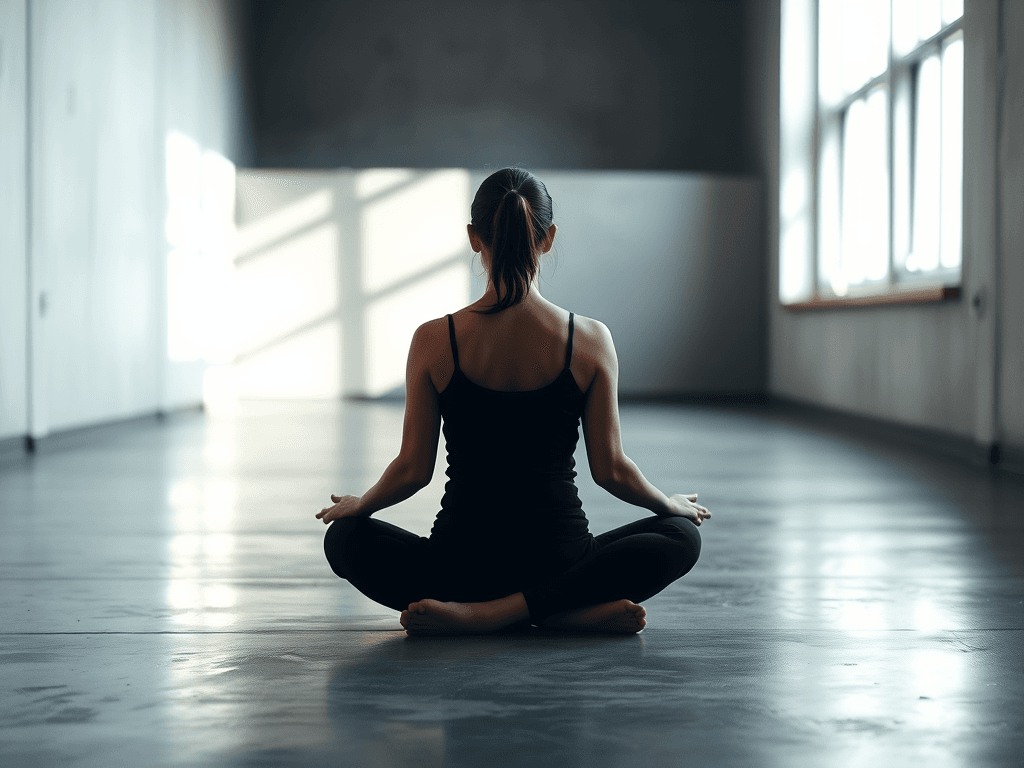
Oh, how the world's become so busy that finding a moment of silence can feel like searching for a needle in a haystack. The desire for silence isn't just about escaping the noise; it's about finding peace, clarity, and renewal in the silence. Our mental, emotional, and physical wellbeing can be profoundly impacted by the noise or silence around us.
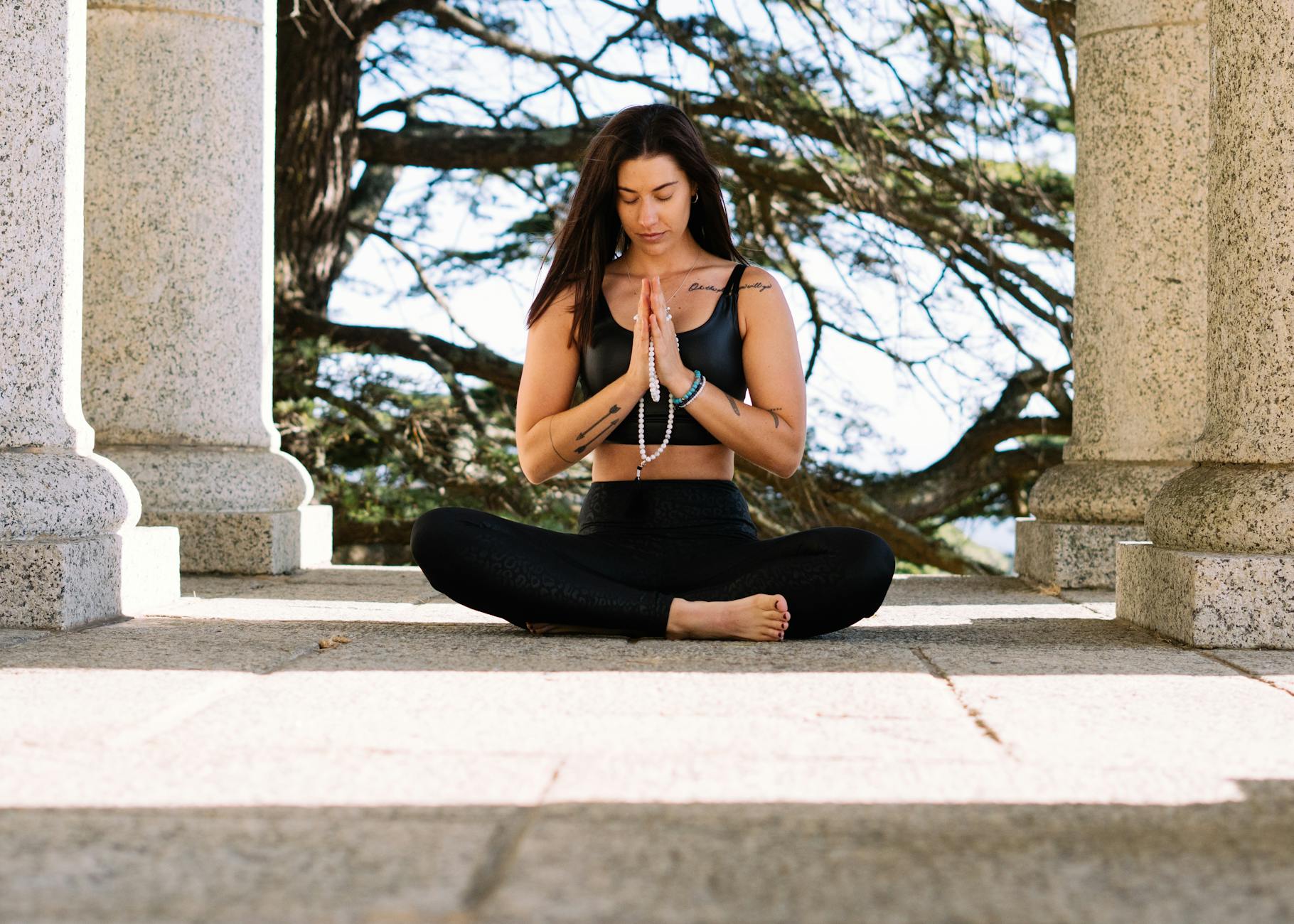
The Inspiration Behind The Blog
The name Silent Things came from a deep appreciation for the quiet moments that punctuate our lives—those moments that, though silent, are filled with meaning, potential, and creativity. It's a homage to the belief that in silence, we find the roots of growth and inspiration.
Silence, in its many forms, provides a blanket of tranquillity that allows for introspection and self-discovery. Silent Things offers reflections, insights, and strategies for personal development and improvement.
Each post, each story shared on this blog, is an invitation to pause, reflect, and connect with the things that matter most. From practical advice on cultivating silence in a noisy world to explorations of the silence within, this blog seeks to inspire, motivate, and uplift.
The Science Behind Silence
Cultures around the world have long since recognized the power of silence. From the contemplative practices of Buddhist monks to the Quaker meetings in stillness, silence is considered a gateway to the spiritual, a means to attain wisdom and insight.
There's also a science to it. According to science, being quiet can have a big impact on our brains. Instead of just being a lack of noise, quiet time can actually help our brains recharge. Studies have shown that silence can lower blood pressure, reduce stress hormones, and even lead to the regeneration of brain cells. Silence offers a paradoxical voice. It invites us to listen, not to the world, but to ourselves—to our intuition and inner wisdom. In silence, we find the space to confront the truth, to face the reflections we often avoid in the noise that surrounds us.
Finding Silence in a Noisy World
The search for silence doesn't always mean going into the wild, although that can be tempting. You can start by doing simple things on a regular basis. Try taking some time away from phones and computers, and create a small routine that respects silence. The early morning, before the day gets busy, can be a naturally quiet time to think and meditate. Even in the city, you can find peaceful spots in parks, libraries, and certain community areas and centres; you just have to look for them on purpose.
Embracing silence in our daily lives is not an escape from reality, but an invitation to experience life more fully. It allows us to savour the present, to appreciate the beauty and complexity of the world around us without the filter of constant noise. It helps us to unwind, to feel everything and to breathe.
Designing Your Sanctuary
Creating a personal sanctuary is a private process that shows intentionality. Start by choosing a calm space that feels natural to you. It doesn't have to be big – even a corner of a room can be your haven. Add things that make you feel peaceful: gentle lighting, a comfy place to sit or lie down, and maybe a plant or two to bring a bit of nature inside. Keep it simple; this space should feel different from the busy parts of your life, meant only for quiet and thinking.
The Role of Nature in Quiet Spaces
Nature is very quiet and calming, and if you like walks and hikes, this one's for you. If you're like me and would rather avoid the walks, you can make your space peaceful by adding natural things like plants, fountains, and aquariums to your space. Sometimes, just opening a window for fresh air and natural sounds can make a big difference.
Mindfulness and Meditation
Integrating mindfulness practices into your quiet space can make silence more meaningful. Meditation, breathing exercises, or gentle yoga can help you stay present and enjoy your sanctuary. These practices teach us to notice our thoughts and feelings without judging them, and find peace within ourselves.
Coping with the Challenges
Creating and keeping a peaceful place in the middle of a busy life and the needs of others can be hard. You need to set limits and talk to people about how important this place is. Even in a busy home, you can agree to be quiet at certain times. Remember, finding peace is also about being flexible and finding moments of quiet even when things are not perfect.
The Ripple Effects of Quiet Spaces
The time spent in quiet places has benefits beyond just feeling calm. It can help improve focus, sleep, and happiness. It also allows for a stronger connection with ourselves, making it easier to hear our inner voice among all the external noise.
A Call to Silence
Our exploration of how to create quiet spaces isn't just about the outside, it's also about looking within. It encourages us to face any discomfort that comes with silence, to truly listen to ourselves, and to find the peace inside us. In the midst of the world's chaos, let's not forget the sanctuaries in our hearts and the healing, renewal, and transformation that silence can bring.
FAQs:
How can I create a quiet space in a small home?
Start by picking out a corner or section of a room that can be dedicated to quiet. Use room dividers, curtains, or even plants to create a sense of separation. The key is intentionality in the space's design and use.
Can quiet spaces help with anxiety and depression?
Yes, spending time in quiet spaces can be incredibly beneficial for mental health. It provides a respite from the stimuli that often exacerbate anxiety and depression, offering a space for mindfulness and self-reflection.
How often should I spend time in my quiet space for maximum benefit?
While there's no one-size-fits-all answer, even a few minutes daily can have a significant impact. The goal is consistency, allowing the quiet space to become a regular part of your routine.
This is where I leave you: in your quest for quiet, you'll discover more than just a peaceful place. Silence can help us understand ourselves better and heal. Embracing moments of quiet can lead to a more peaceful and balanced life. Let's appreciate these silent moments, as they can help us find our true selves.