
"Where do I want to be in five years?" It's a question that holds both simplicity and depth—a reflection of my aspirations and dreams. Though I can't foresee every twist and turn on this journey called life, having a vision provides me with direction and purpose.
Today, let's delve into the significance of setting five-year (for you, pick a number you're comfortable with) goals and crafting a roadmap to bring them to life.
- The first step in the process is Self-Reflection.
To map a course for the future, I begin by looking inward. What truly stirs my soul? What values and passions shape the choices I make and the priorities I set? This, I realize, is the foundation of setting goals.
Finding a moment of solitude is an important step in self-reflection. It is in these quiet moments that the whispers of our true desires become clearer.
One way to tap into this inner voice is through the practice of journaling. Journaling allows us to explore our thoughts, emotions, and aspirations in a safe and private space. It provides us with an opportunity to reflect on our experiences, gain insight into our patterns and behaviours, and discover what truly matters to us.

If you're already into journaling, you know the value it brings. You understand the power of putting pen to paper and the therapeutic benefits of expressing yourself freely. You might already have a collection of journals filled with your thoughts, dreams, and ambitions. If that's the case, this moment of solitude will come in handy, and you will have the resources to help you achieve this.
If, on the other hand, you're new to journaling, don't worry. Starting this practice is simple. All you need is a notebook or a digital journaling app, a pen, or a keyboard, and a willingness to be open and honest with yourself. Set aside a few minutes each day or whenever you can find the time, and let your thoughts flow freely onto the pages. There are no rules or constraints in journaling; it is a personal journey that is uniquely yours.
As you begin to make journaling a regular part of your routine, you'll start to notice the benefits. You may discover hidden talents or passions that you never knew existed within you. You may gain clarity on important decisions or find solutions to challenges that have been weighing on your mind. Not only that, but you may even find a deeper connection to your inner self and a greater sense of purpose and fulfilment.
It is important to ask oneself questions to understand motivations and uncover core values and desires.
To elaborate further, introspection plays a crucial role in self-discovery. By questioning our choices and actions, we gain insights into our thoughts, emotions, and beliefs. This process allows us to cultivate self-awareness and better understand the reasons behind our decisions.
When we reflect on ourselves, we open up opportunities for personal growth and improvement. By analysing our values and desires, we can align our actions with our true aspirations, leading to a more fulfilled and purposeful life.
Moreover, self-questioning helps us challenge our assumptions and biases. By critically examining our thoughts and beliefs, we become more open-minded and receptive to different perspectives. This can enhance our relationships with others, fostering empathy, understanding, and effective communication.
Ultimately, the practice of self-inquiry extends beyond surface-level understanding. It encourages us to explore our passions, strengths, and areas for improvement. Through consistent self-reflection, we can discover and transform ourselves.
The goal of self-reflection is to help you find not only answers but a deeper understanding of who you are and what you truly desire.
- Defining Your Goals:
The next step in the process is setting goals. By clearly defining our aspirations, we provide ourselves with a roadmap that guides us towards personal fulfilment and success.
When setting goals, it's essential to consider various aspects of our lives. Career goals allow us to focus on professional development, such as achieving certain milestones, taking on new responsibilities, or pursuing promotions or even starting our own thing. Educational goals help us expand our knowledge and skills, whether through obtaining degrees, attending workshops, or gaining certifications.
At the same time, setting goals in relationships is essential for fostering healthy connections. Whether it's enhancing communication with loved ones, building new friendships, or strengthening existing ones, having goals helps us nurture and grow these important bonds.
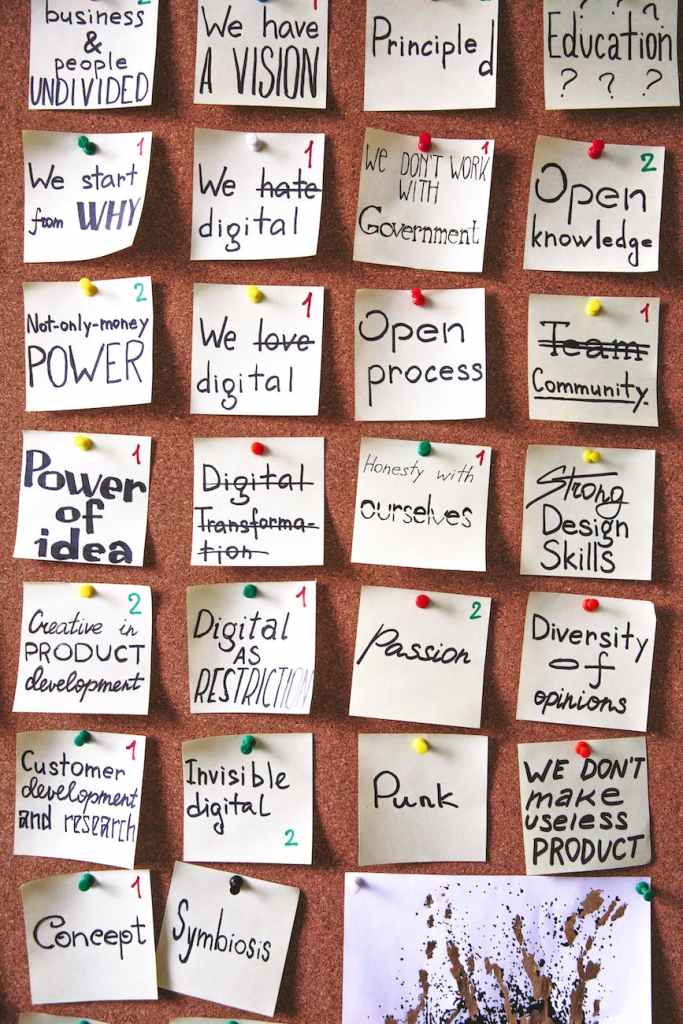
Health goals are equally vital, as they contribute to our overall well-being. These goals could involve adopting a regular exercise routine, improving dietary habits, getting sufficient sleep, or seeking professional advice on maintaining good mental health.
Lastly, personal growth goals aim to develop our individuality, enabling us to become the best versions of ourselves. These objectives may include pursuing hobbies, learning new skills, engaging in self-reflection, or stepping out of our comfort and complacency zones to embrace new experiences.
By setting specific and measurable goals in each of these areas, we enable ourselves to track progress, celebrate achievements, and adjust our course if necessary. Remember, goals are not set in stone; they can be modified as we grow and evolve. Whether big or small, accomplishing our goals brings a sense of fulfilment and motivates us to continue reaching for new horizons.
So take some time to introspect and define your goals across various dimensions of your life. Embrace the excitement of the journey towards self-improvement and let your aspirations propel you forward.
- Break It Down:
We're diving deeper into setting smaller actionable steps for our five-year goals. Breaking down your long-term aspirations into shorter-term milestones can provide a clear roadmap to success.
In the first year, it's crucial to focus on building a solid foundation. This can include acquiring new skills or knowledge, expanding your network, and establishing a strong work ethic. By doing so, you'll lay the groundwork for future achievements and opportunities.
As you move into the second year, consider how you can further leverage your skills and connections to advance towards your goals. This might involve taking on more challenging projects, seeking leadership roles, or exploring potential collaborations within your industry. Additionally, don't forget to reassess your progress and make any necessary adjustments to stay on track.

Heading into the third year, the goal should be to push yourself outside of your complacency zone. This might involve seeking out new ventures, embracing risks, or even considering a career pivot if it aligns with your long-term objectives. Embracing change and taking calculated risks can lead to innovative breakthroughs and unexpected opportunities.
By the fourth year, you should be well-positioned to make significant strides towards your ultimate goals. Actively seek out opportunities for growth and advancement, whether it's through promotions, entrepreneurial ventures, or further education. Stay proactive, adaptable, and open-minded to capitalize on any favorable circumstances that arise.
Finally, in the fifth and final year of your plan, it's time to bring everything together and make a final push towards achieving your long-term aspirations. Reflect on how far you've come and consider if any last-minute adjustments are needed. Celebrate your accomplishments along the way, and embrace the challenges that may arise as part of your journey.
This will be a theme throughout this two-part post: you need to remember that this five-year plan isn't set in stone. We live in an unpredictable world, and circumstances can change at any time. Flexibility is key when it comes to planning. It's important to remain open-minded and be willing to make changes when needed.
Stay flexible and open to adjusting your goals and strategies as needed. Ultimately, setting these smaller milestones can provide clarity, focus, and a sense of purpose as you work towards realizing your long-term vision.
- Create a Timeline:
By establishing a clear timeline for your goals, you can create a roadmap for success with metrics to measure your progress along the way.
Start by outlining your long-term goals, those that you aspire to achieve in the distant future. This could include career milestones, educational achievements, or personal aspirations. Next, break down these long-term goals into shorter-term objectives that you can accomplish within a year.
For example, if your long-term goal is to start your own business, you might set a one-year objective of creating a business plan, conducting market research, and securing funding. By breaking down your goals into manageable steps, you'll be able to make consistent progress and stay motivated throughout the process.
However, it's essential to approach goal setting with a dose of realism. While it's crucial to dream big and aim high, it's equally important to recognize the limitations of time, resources, and circumstances. Unforeseen events can arise, throwing off your meticulously crafted plans. Therefore, as stated in the previous step, it's wise to incorporate flexibility into your timeline.

By building in room for adjustments and contingencies, you'll be better equipped to navigate unexpected challenges and adapt your plans accordingly. This doesn't mean compromising your ambition or settling for mediocrity; instead, it highlights the importance of being adaptable and resilient in the face of obstacles.
Remember, goal setting is not a one-time activity but an ongoing process. Regularly review and reassess your goals, making adjustments as necessary. Celebrate your achievements along the way, no matter how small, as this will help to maintain your motivation and momentum.
In summary, setting a clear timeline for your goals is vital for effective planning and overall success. Break down long-term objectives into achievable milestones, embrace flexibility to navigate unforeseen circumstances, and stay committed to regular review and adjustment. With this approach, you'll be well on your way to turning your goals into reality.
This is where I leave you:
Creating a five-year plan is not just a simple task; it's a thoughtful and strategic process that requires a deep understanding of oneself and a clear vision for the future. When embarking on this journey, it's essential to remember that the purpose of a five-year plan is not merely to predict the future, but rather to proactively shape it according to our own desires and aspirations.
Imagine yourself in the future, five years from now. What do you see? What goals have you achieved? What kind of person have you become? Take a moment to reflect on these questions and visualize your ideal future.
Once you have a clear vision in mind, start by setting specific and measurable goals that align with your long-term vision. Break down these goals into smaller, manageable steps that you can take to progress towards them. Remember that a journey of a thousand miles begins with a single step, and each small action you take will bring you closer to your desired outcome.
But a five-year plan is not only about achieving professional success or financial stability; it's also about personal growth, happiness, and overall well-being. Consider including goals related to self-care, relationships, and personal development. This holistic approach will ensure a balanced and fulfilling life as you strive towards your ambitions.
Don't forget to regularly review and adjust your plan as needed. Life can throw unexpected curveballs, and it's essential to be flexible and adaptable in the face of change. Occasionally reassess your goals, celebrate the milestones you've reached, and recalibrate your plan to keep moving forward.
So, as you embark on this exciting journey of creating your five-year plan, remember that you have the power to design your own future. Dare to dream big, set ambitious goals, and believe in your ability to turn your vision into reality. Your future self will look back and thank you for the time and effort you invested in becoming the best version of yourself.